(Juan Manuel Blanes)
(Date of artwork)
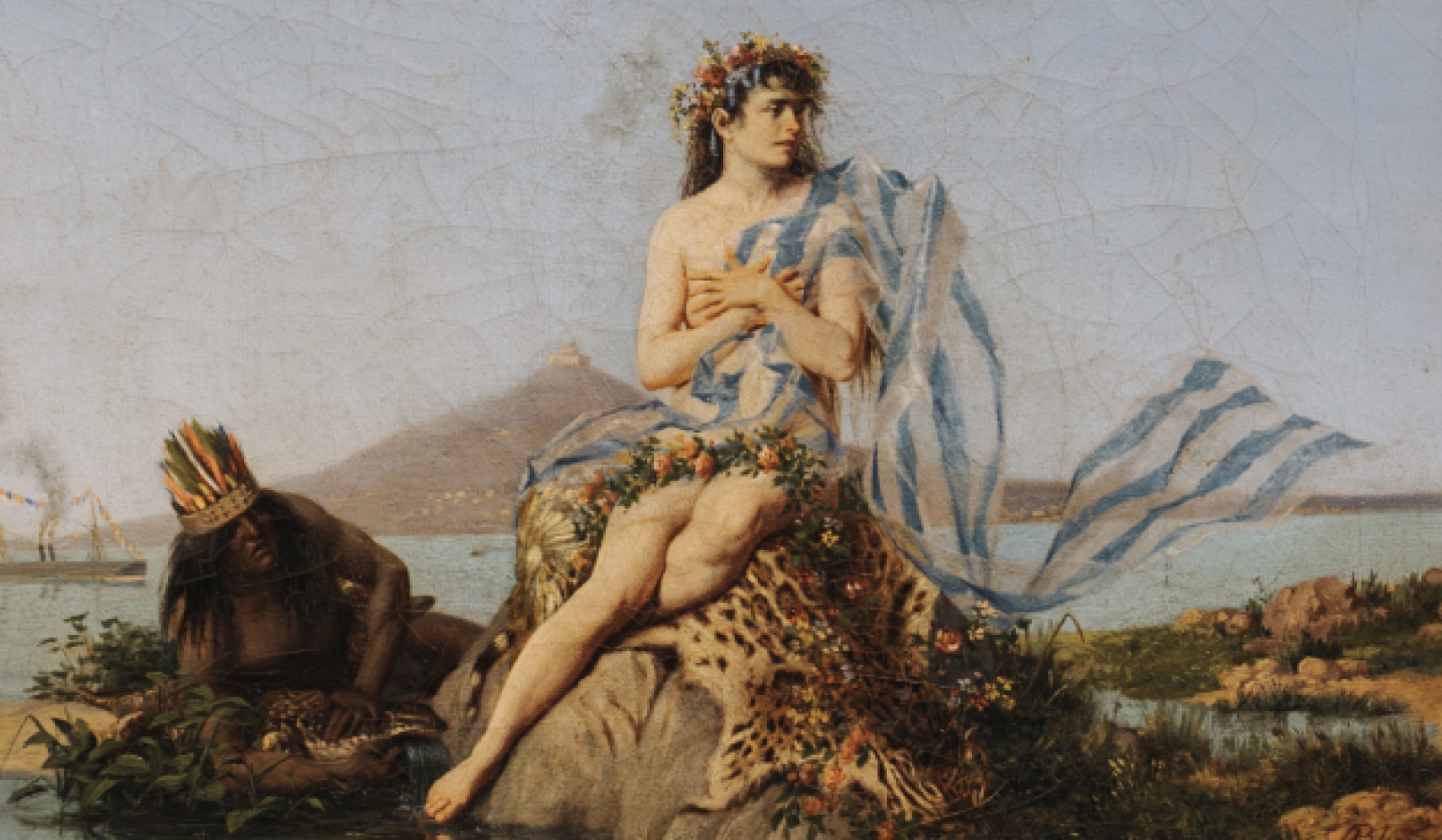
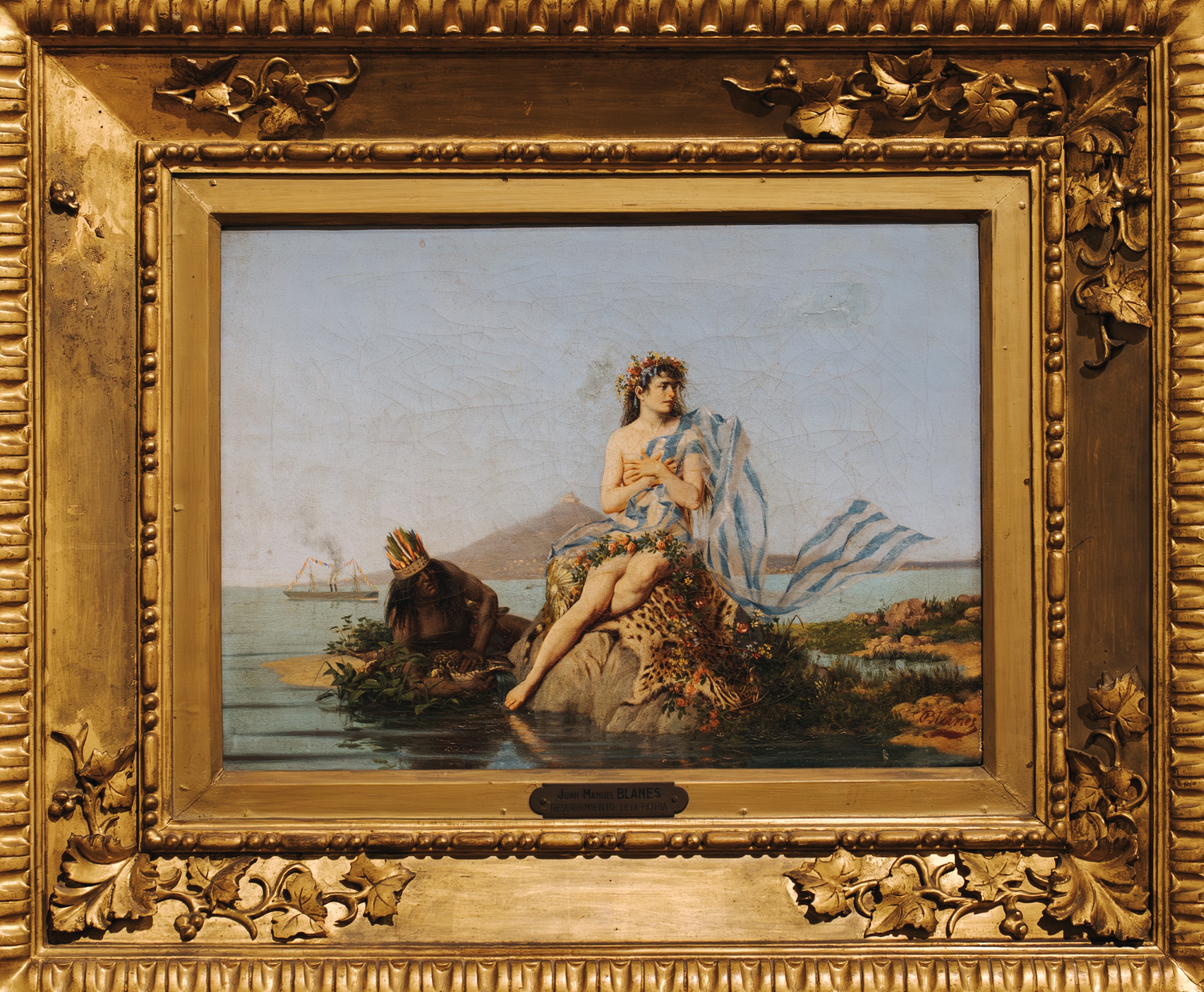
The title "Resurgence of the Homeland" speaks of a new beginning. The work reflects Riveras national project, different from the federal and inclusive model proposed by Artigas, which considered Afro-descendant people and Indigenous communities such as the Charrúa and Guaraní.
In the painting, we can discover foundational symbols of the nation and other layers of meaning that invite us to reflect on how the idea of Patria (homeland) was constructed.
In the following section, hold the cursor down to reveal the complete work. In the following section, keep pressed to reveal the complete work.


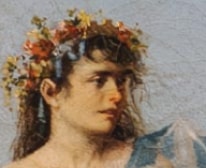
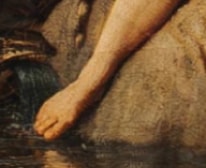
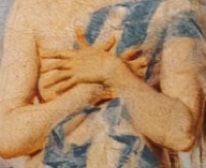
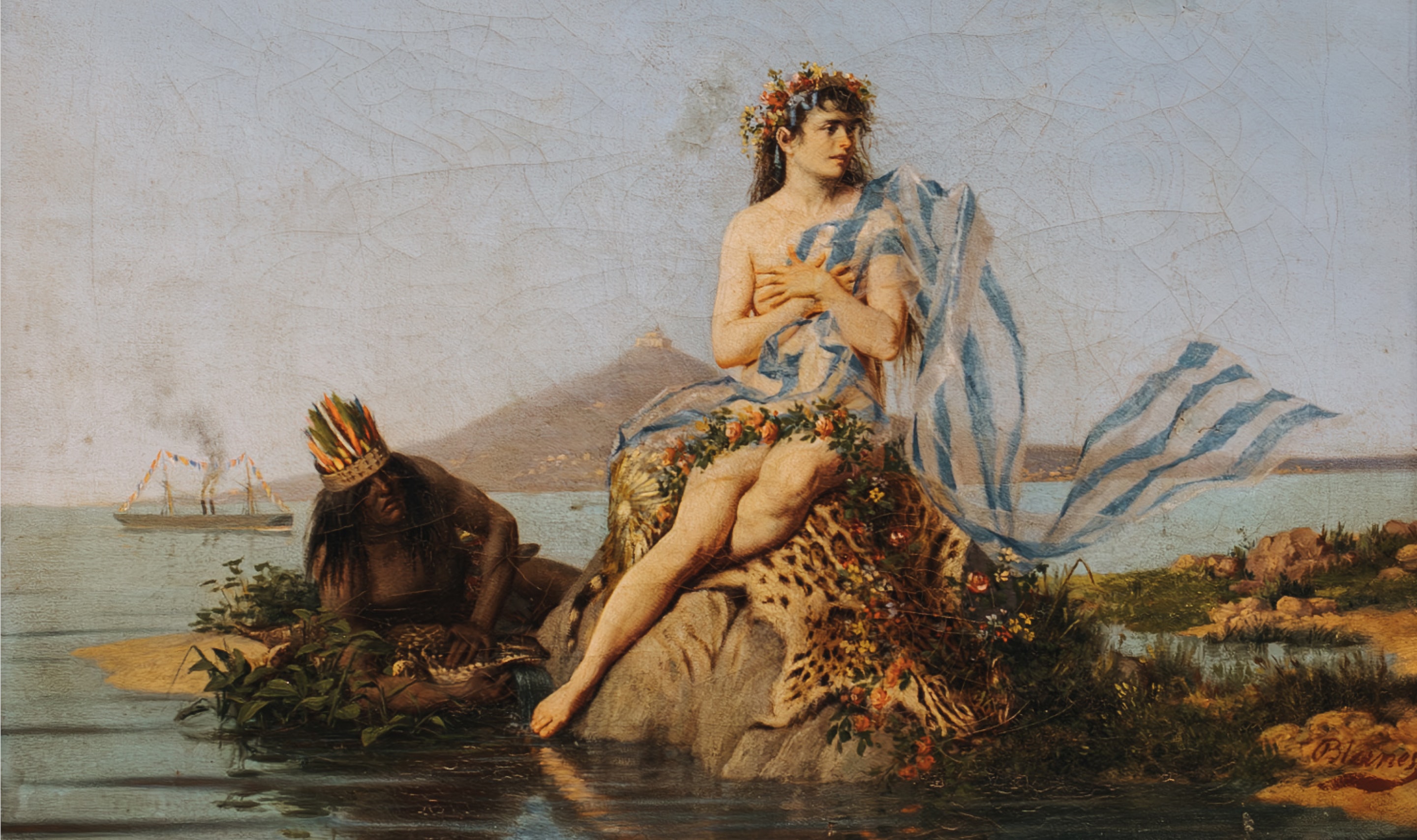
In the foreground, almost at the center of the painting, we see a nude white woman, partially covered by a cloth. Her figure follows the European ideal of beauty of the time. She symbolizes the Patria: white, pure, radiant, presented as civilized and triumphant. It is a Patria imagined in the likeness of Europe, a model proposed as the path to national success.
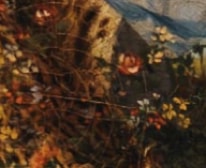
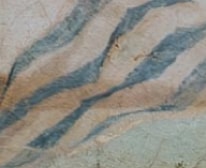
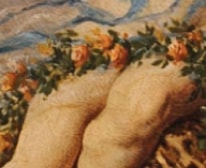
The woman is at a higher level. The cloth covering her body, with alternating light blue and white stripes, refers to the national flag. She carries flowers, among which roses can be distinguished. These non-native flowers are associated in iconography with figures such as the Virgin Mary or the goddess Venus (Coitiño, 2014).
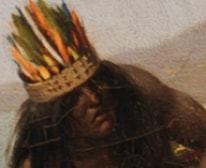
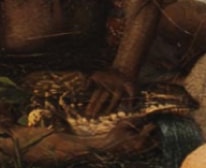
On the left, in the background, appears the stereotyped figure of an Indigenous man in a fallen posture, reclining on the shore, at the woman’s feet, looking up at her. He leans on a caiman, an animal that here can be interpreted as a symbol of the “wild nature” attributed to the Indigenous (Coitiño, 2014).
The woman sits on a rock covered with jaguar skin, considered the most dangerous and wild animal of these lands. According to Mónica Michelena, the Charrúa people were known as the "jaguar people." The image of the woman seated on the dead jaguar represents the triumph of this homeland over Indigenous communities.
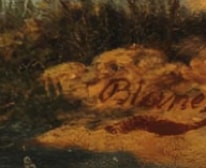
The scene takes place on the shores of the Río de la Plata. In the background behind the characters, the Cerro of Montevideo can be seen, a geographic icon of Uruguayan identity. For Mónica Michelena, the fortress on the Cerro symbolizes the beginning of colonialism; it marks the imposition of Spanish power over the Charrúa people, who fiercely resisted the establishment of this stronghold.
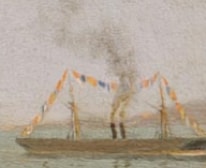
Finally, in the bay of Montevideo, a steamship, the means of transport by which immigrants arrived to colonize these lands. The ship functions as a symbol of progress, commerce, extractivism, and civilization.
In the 19th century, art became a key tool in building new nation-states. The painting takes us back to that moment of Uruguay’s birth, when there was a need to create a heroic and civilized origin myth, worthy of being displayed with pride. This official narrative, however, concealed other realities present in the territory.
The new political project moved away from Artigas’ ideals: the poorest were not the most privileged, and what many consider a betrayal of his legacy was consolidated (Núñez, 2021). A symbolic detail shows this clearly: the cloth covering the central figure has the colors of the national flag, but the red, associated with Artigas’ flag, is missing.
The work is thus inscribed in a project that sought to insert the country into modernity.
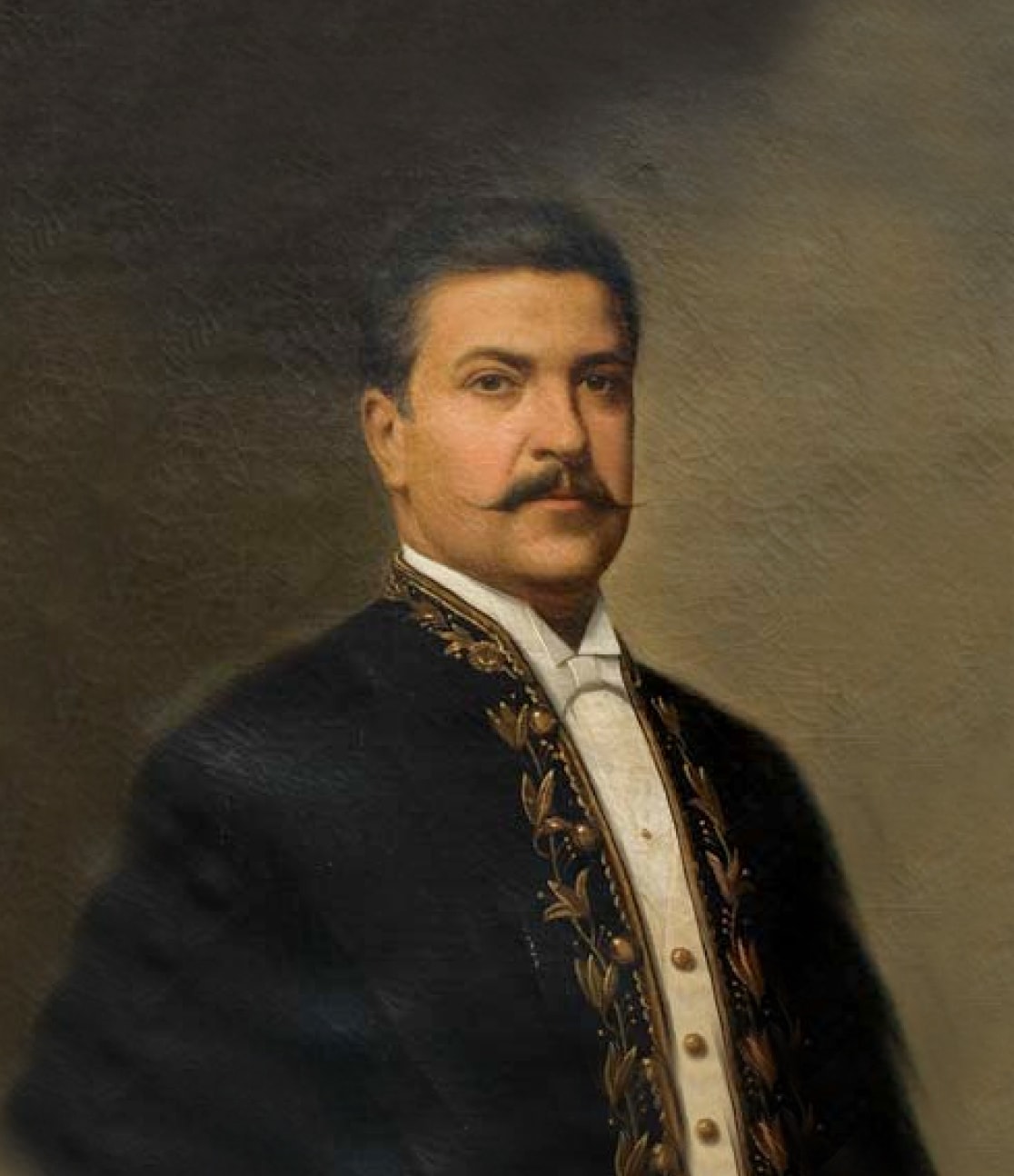
(Montevideo, 1830 – Pisa, 1901). Known as “the painter of the Patria”, he was one of Uruguay’s most influential artists. His work served the construction of the State and national identity in the 19th century. Trained in Europe, he adopted an academic technique that he applied in historical and symbolic paintings, consolidating the country’s founding myths.
This website seeks to open the museum to new voices and perspectives. We present multiple perspectives that transform artworks into spaces of dialogue and debate about the present, in connection with contemporary issues.
Artworks are not confined to the past, nor do they belong entirely to a distant moment in time: they are also part of the present. They are not dead; they are here and now, they affect us, and we cannot avoid them.
We rely on analysis, reflection, and exchange from contemporary, critical, and decolonial perspectives, drawing on examples of museum mediation and current educational trends.
Our main goal is to put into practice strategies and methodologies that bring art closer to people, fostering active and democratic participation.